
May 2013 - Genes News
Welcome to the new Genes Reunited blog!
- We regularly add blogs covering a variety of topics. You can add your own comments at the bottom.
- The Genes Reunited Team will be writing blogs and keeping you up to date with changes happening on the site.
- In the future we hope to have guest bloggers that will be able to give you tips and advice as to how to trace your family history.
- The blogs will have various privacy settings, so that you can choose who you share your blog with.
Summary
Official Blogs
Electoral Rolls
Looking for living relatives?
Search our UK Electoral Rolls (2002-2013) and find your living relatives today.

The British Newspaper Archive
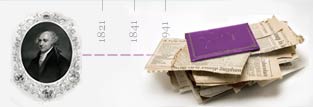
Read about historical events at the time they were happening. Perhaps you'll discover your ancestor in their local newspaper?
New Military Records
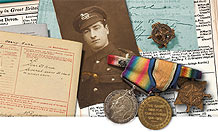
Was your ancestor a war hero?
View thousands of brand new military records, including Chelsea Pensioner records, Military Nurses, Prisoners of war and much more.
Gift subscriptions

Do you know someone interested in discovering their family history?
You can now buy a gift subscription to Genes Reunited so they can research their family tree.
“She sells seashells on the seashore”
Mary Anning was one of the best known scientific minds of the 19th Century, but her work, which inspired Charles Darwin and a host of his colleagues, went largely unrecognised during her own lifetime. Anning's discoveries fundamentally changed scientific thinking and the Royal Society described her achievements as "paving the way for Charles Darwin's theory of evolution". Her work was respected by some of the finest scientific minds and Charles Dickens wrote of her "deserved reputation". But it was not until 2009 that they Royal Society named her as one of the ten most influential women in the history of science.