
Quick Tips
Electoral Rolls
Looking for living relatives?
Search our UK Electoral Rolls (2002-2013) and find your living relatives today.

The British Newspaper Archive

Read about historical events at the time they were happening. Perhaps you'll discover your ancestor in their local newspaper?
New Military Records
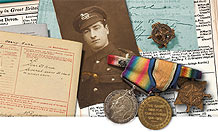
Was your ancestor a war hero?
View thousands of brand new military records, including Chelsea Pensioner records, Military Nurses, Prisoners of war and much more.
Gift subscriptions

Do you know someone interested in discovering their family history?
You can now buy a gift subscription to Genes Reunited so they can research their family tree.
10 Quick Tips for tracing African family history

Start by adding all the details of you and your immediate family to your family tree. Adding as many details as possible now will make it easier to check dates and information later and brings your family tree to life.
Talk to family members to find out dates of births, marriages and deaths of parents, grandparents, aunts and uncles. It's useful to collect as many photos, family bibles and especially stories and memories from older members of your family. Remember family history isn't just about collecting dates and going back as far as you can. It's just as important to record in your family tree all the stories, traditions and details which make your family unique.
Try and work out from family members when your family came to Britain and where from. If you think you have Caribbean roots in your family, try our quick tips for Caribbean history . Although a large portion of migration into the UK from African nations happened in the 20th Century, black people have been living in Britain for hundreds of years.
You can search the Birth, Marriage and Death records in England and Wales on Genes Reunited to work back to the first record of your family in the UK. Marriage and birth certificates hold useful information like names and occupations of fathers as well as mothers' maiden names - helping to grow your tree.
If you think part of your family was in the UK from 1900, try searching the 1901 census for details of them.
If you know what part of Africa your family came from, try and find out as many details of what town/village they came from by asking family members. Any details of religion or ethnic group will make it easier to trace people.
If you do not know for sure what country your family came from, then the clues could lie in everyday conversations and objects in your home. Think about family traditions, saying, stories and even recipes that have been passed down. Pet names, or words you use everyday with your own parents and children could have roots in African languages and traditions.
If you do trace your ancestors back to a country or locality in Africa, official records may not be much help. A combination of poor survival of records and less documentation of dates may mean that there are few documents to consult and these are rarely available online. It might be worth checking with local churches where your ancestors lived as they might have baptism records which could be useful.
Don't let this stop you! While European countries tend to rely on documented records held by the government, many African traditions have developed much richer oral histories which preserve not only family trees but also details of how people lived. The Ethiopian royal family could trace its roots back to 1268.
Don't forget to add all the information you collect to your family tree on Genes Reunited. By regularly searching for your relatives names on Genes Reunited, you can discover matches with other family trees. This enables you to contact other Genes Reunited members who share your ancestry. As well as finding cousins and relations you didn't know you had, you can share information which will lead you to your family history.
The more people who add their family trees to Genes Reunited, the easier it is for everyone to discover their family history - creating a resource for future generations.